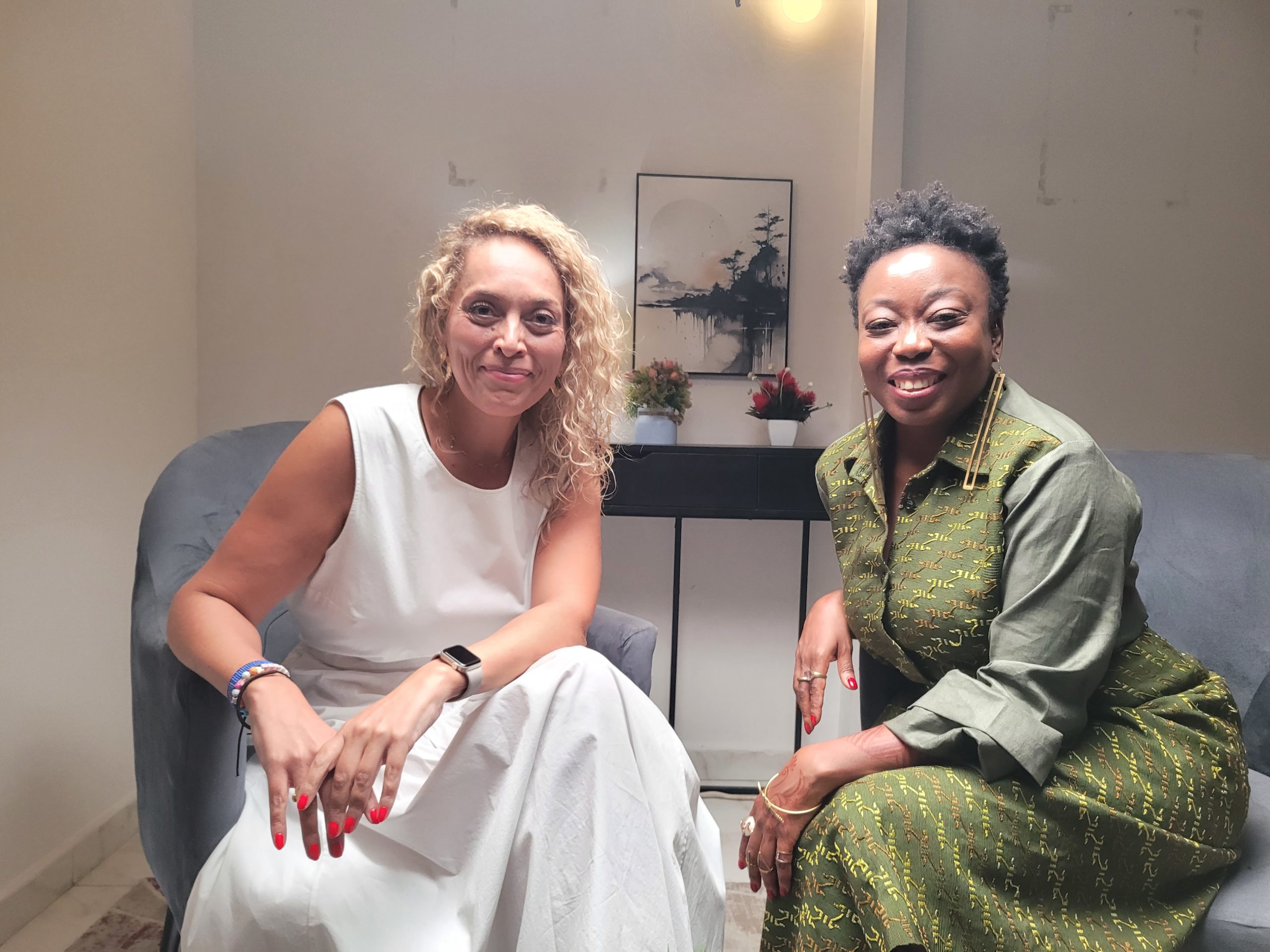
Royal Ibeh, BusinessDay
What if your true calling wasn’t what you originally planned? For Royal Ibeh, a Senior Journalist at BusinessDay, the initial goal was to build a career in banking. However, encouraged by her family to practice what she studied in Mass Communication, she soon discovered the profound power of journalism to influence conversations, bring attention to overlooked issues, and spark real change.
Today, she is driven by the belief that a single, well-reported story can make a tangible difference in people’s lives.
In our new African Media Spotlight edition, Royal takes us behind the scenes of covering Africa’s dynamic technology and health sectors. She shares her candid thoughts on the challenges of deep reporting in fast-paced startup ecosystems, what founders often misunderstand about the media, and how artificial intelligence is reshaping the newsroom. Most importantly, she highlights why elevating the voices of young African startups on the global stage is essential to showcasing the continent not just as a market, but as a powerful source of original ideas and resilience.
What led you into journalism, and what would you be doing if you weren’t a journalist?
My original plan after my first degree was to go into banking. However, members of my family encouraged me to practice what I studied, and that was Mass Communication. At first, the transition wasn’t easy because my interests were elsewhere, but over time, I began to appreciate the impact journalism can have.
Seeing how a well-reported story can influence conversations, inform the public, or even bring attention to overlooked issues gradually deepened my commitment to the profession.
Today, what keeps me going is the possibility that a single story can make a difference in people’s lives.
If I had not pursued journalism, I would most likely have built a career in banking or another finance-related field, given my early interest in that path.
What story are you most proud of, and why?
One story that stands out for me was my investigative report on Nigeria’s sleeping satellites. The piece examined how space assets worth more than $700 million, particularly earth-observation and communications satellites, remain largely underutilized despite their potential to support national security and surveillance efforts.
The investigation explored how these technologies could help track bandit movements, support intelligence gathering, and improve real-time monitoring of critical infrastructure. What made the story particularly meaningful was the broader conversation it sparked about how existing technology could be better deployed in tackling insecurity.
I was also encouraged by subsequent developments in the country’s defense-technology ecosystem. For instance, local innovators such as Terra Industries, a Nigerian defense-tech startup, began gaining attention and raising significant investment to develop autonomous systems, including drones and cybersecurity solutions.
The startup recently collaborated with government institutions like DICON. Seeing policy conversations shift toward greater interest in technology-driven security solutions made the reporting feel especially worthwhile.
For me, the story combined investigative journalism with technology reporting and highlighted how local innovation could contribute to solving national challenges.
Which sectors or industries do you like to cover most, and why?
I am particularly drawn to reporting on technology and health. On the technology side, I cover areas such as digital innovation, telecommunications, startups, venture capital, artificial intelligence, and emerging fields like satellite and defense technologies. These sectors are evolving rapidly across Africa and are shaping how economies function, how businesses grow, and how societies solve complex challenges.
Health reporting also interests me deeply, especially issues related to public health systems, healthcare policy, and the intersection between medicine and technology. Both sectors sit at the centre of everyday life and development. Covering them provides an opportunity to examine how innovation, policy decisions, and infrastructure gaps influence outcomes for millions of people across the continent.
What’s the hardest part of covering the beat you focus on?
One of the most difficult aspects is gaining timely access to reliable information. Many of the sectors I cover, particularly technology, startups, and security-related innovation, often operate in environments where regulatory processes or government approvals are not always transparent, which makes it challenging to obtain clear documentation or timelines. At the same time, the fast pace of the startup ecosystem means journalists must constantly verify claims, funding announcements, and technological breakthroughs.
Resource limitations within newsrooms can also make deep reporting difficult. Despite these challenges, the responsibility to ensure accuracy and provide balanced context remains essential, especially when reporting on subjects that have economic or national-security implications.
What do most founders/business leaders misunderstand about journalists?
Many founders and business leaders worry that journalists might misquote them or portray their businesses inaccurately. Because of that fear, some approach interviews cautiously or defensively.
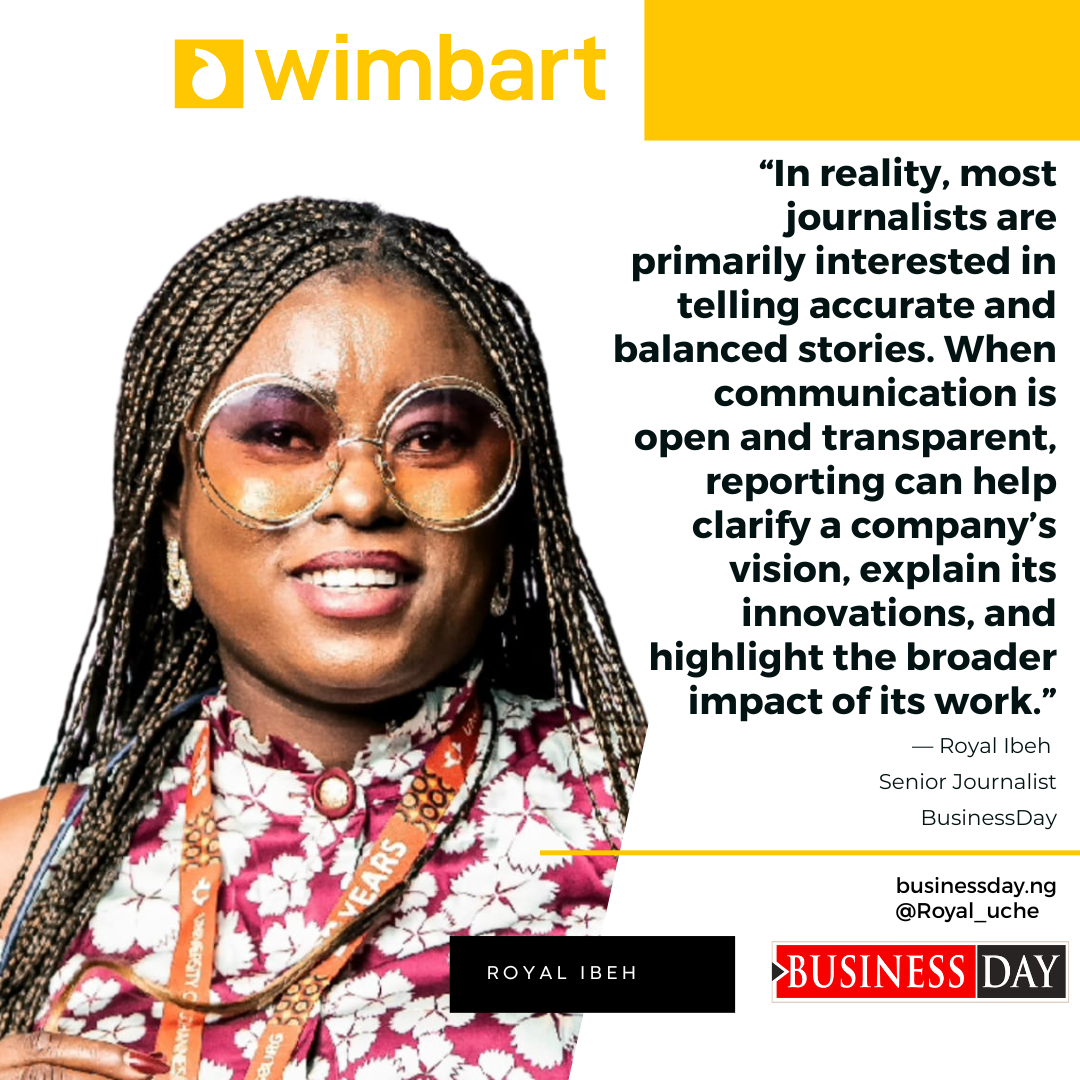
In reality, most journalists are primarily interested in telling accurate and balanced stories.
When communication is open and transparent, reporting can help clarify a company’s vision, explain its innovations, and highlight the broader impact of its work.
Rather than seeing journalists solely as critics, founders often benefit from viewing them as professionals who help document developments within industries and bring credible visibility to emerging ideas and businesses.
Why is it important that people around the world get to hear about young, growing companies on the continent?
Young companies across Africa are building solutions to some of the continent’s most pressing challenges, whether in financial inclusion, agriculture, health technology, infrastructure protection, or security.
When these companies gain international visibility, it can attract investment, partnerships, and technical expertise that help them grow. Global exposure also helps correct outdated narratives about the continent by highlighting innovation, entrepreneurship, and resilience.
More importantly, many of these startups are designing products specifically suited to African realities. Telling their stories helps ensure that the world recognises the continent not only as a market, but also as a source of original ideas and innovation.
With AI on the rise, is journalism getting more creative?
Artificial intelligence is changing the way journalists work, particularly in areas like research, data analysis, and information gathering. Tools powered by AI can help reporters process large volumes of information, identify patterns, and analyse complex datasets more quickly than before.
For journalists working in resource-constrained environments, these tools can significantly improve efficiency and open up new possibilities for investigative work. However, the creative and ethical dimensions of journalism still depend heavily on human judgment.
Storytelling, contextual understanding, and the ability to ask difficult questions remain uniquely human strengths. In that sense, AI works best as a support tool rather than a replacement for the core values of journalism.
What advice would you give to young journalists starting today?
Young journalists should focus on developing expertise in specific areas rather than trying to cover everything at once.
Beats such as technology, health, environment, finance, and security offer opportunities for deep reporting and meaningful impact.
Building strong relationships with credible sources is equally important. Trust takes time to develop, but it is essential for accurate and insightful reporting. Journalists must also maintain a strong commitment to verification, particularly in an era where misinformation spreads quickly.
At the same time, it is important to stay open to new tools and methods, including data journalism and AI-assisted research, while maintaining strong ethical standards. Above all, curiosity and persistence remain some of the most valuable qualities in the profession.
What gives you hope about the future of journalism in Africa?
What gives me hope is the growing number of independent and digital-first media organisations emerging across the continent. Many of these platforms are focused on rigorous reporting about local issues and are experimenting with new storytelling formats to reach wider audiences.
There is also a rising generation of journalists who are combining traditional reporting skills with multimedia tools, data analysis, and digital distribution. This blend of skills is helping African stories travel farther and reach global audiences.
Despite ongoing challenges such as funding constraints and access to information, the determination of journalists across the continent continues to strengthen the role of the media in accountability, public education, and policy conversations.