


Ini John-Mekwa, Channels Television
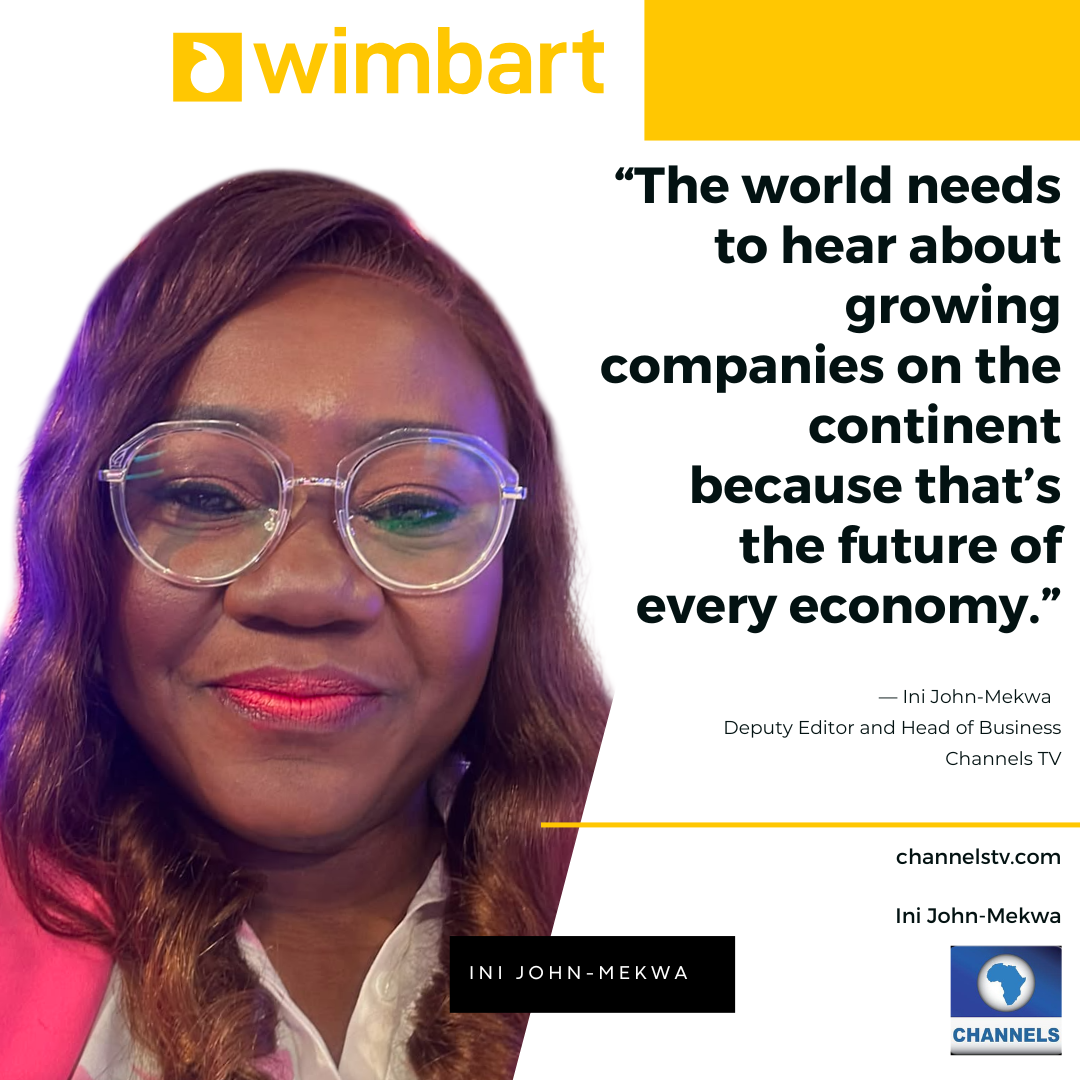
Meet Ini John-Mekwa, Deputy Editor and Head of Business, ChannelsTV. Ini shares her journey into the world of journalism in our latest edition of the Media Spotlight Series.
- What led you into journalism, and what would you be doing if you weren’t a journalist?
What led me into journalism was excitement and interest. I found all the jobs I tried boring; it was just boring to be in the office, sit down, and all of that. But with Journalism, you’re able to do different things. You could cover a story on immigration today, and then you could cover a business story tomorrow. You could handle a business program today and a party program next time. So it’s really exciting; you can’t get bored.
If I wasn’t a journalist, I’d be singing; I love singing. And I think I’ll still sing later on in my life.
- What story are you most proud of, and why?
So I head the business desk; everything around me is about business, impact, analysing government policies and how they affect the real man down there. I love such conversations. They’re real; you can make an impact, you can bring the people’s opinions and concerns to the government, and also bring the government policy to the people. For me, it’s not artificial. It’s not just going on air to talk. It’s actually connecting with reality.
- Which sectors or industries do you like to cover most, and why?
Business, obviously. It concerns your money. Your money affects you, so everyone is interested in their money. I love business.
- What’s the hardest part of covering the beat you focus on?
The hardest part is getting information. So we hear a lot of…. the government is borrowing this, it’s borrowing that… what are they using it for? To start with, it’s difficult to get details of the MoUs that our government signs while taking these loans. You can’t get information from the other people, so that you can authoritatively say you took this at this point; where is it? What have you used it for? And then if you try to dig so much in this country, people won’t just talk to you anyway. People don’t want to be at crossroads with the government. That’s very frustrating.
- What do most founders/business leaders misunderstand about journalists?
Well, I don’t know if I can call it a misunderstanding, but it really hurts when businesses just feel like, as a journalist or as a platform, you’re just there to serve their purpose, and afterward, they dump you. Some people come after you because they just want to air their views or they have something to advertise. And after that, if you have a topic and you try to reach them, sometimes they don’t answer you. Or they promise to come on your program, and at a dire minute, they’ll just tell you they have another engagement.
For me, it makes me feel like you think my job is not important enough, so other things are prioritised over me. So, I don’t know if that fits as a misunderstanding, but that’s one aspect I don’t really like.
- Why is it important that people around the world get to hear about young, growing companies on the continent?
Because that’s the future of every economy. Small businesses in Nigeria make up for more than 90% of economic activity, and the informal sector is the future. So it’s very important that they hear about it.
- With AI on the rise, is journalism getting more creative?
Sure, very creative. Except the journalist doesn’t want to grow; you have to grow with the AI rise. We use more AI in our own work; we use AI for our slides and to get information. It just makes life easier, and your job becomes more creative and interesting.
- What advice would you give to young journalists starting today?
Find your niche and build on it. Journalism is very wide. You can do health, you can do business, you can do arts. So find the part that really interests you, and give it your all.
- What gives you hope about the future of journalism in Africa?
Things are changing. Everyone is becoming more educated and enlightened now. Even the Nigerian populace is more enlightened. Before, a lot of people didn’t even watch economic or business programs, but now people know what is going on in the stock market. A lot of people are investing; everyone is getting more enlightened, engaged, and concerned. And that means that there’s a brighter future for journalism and for the country.